
Related process
Grinding media
Selection, application, and performance guidance connecting the circuit with the appropriate media family.
Review the processBuilt for high-energy grinding
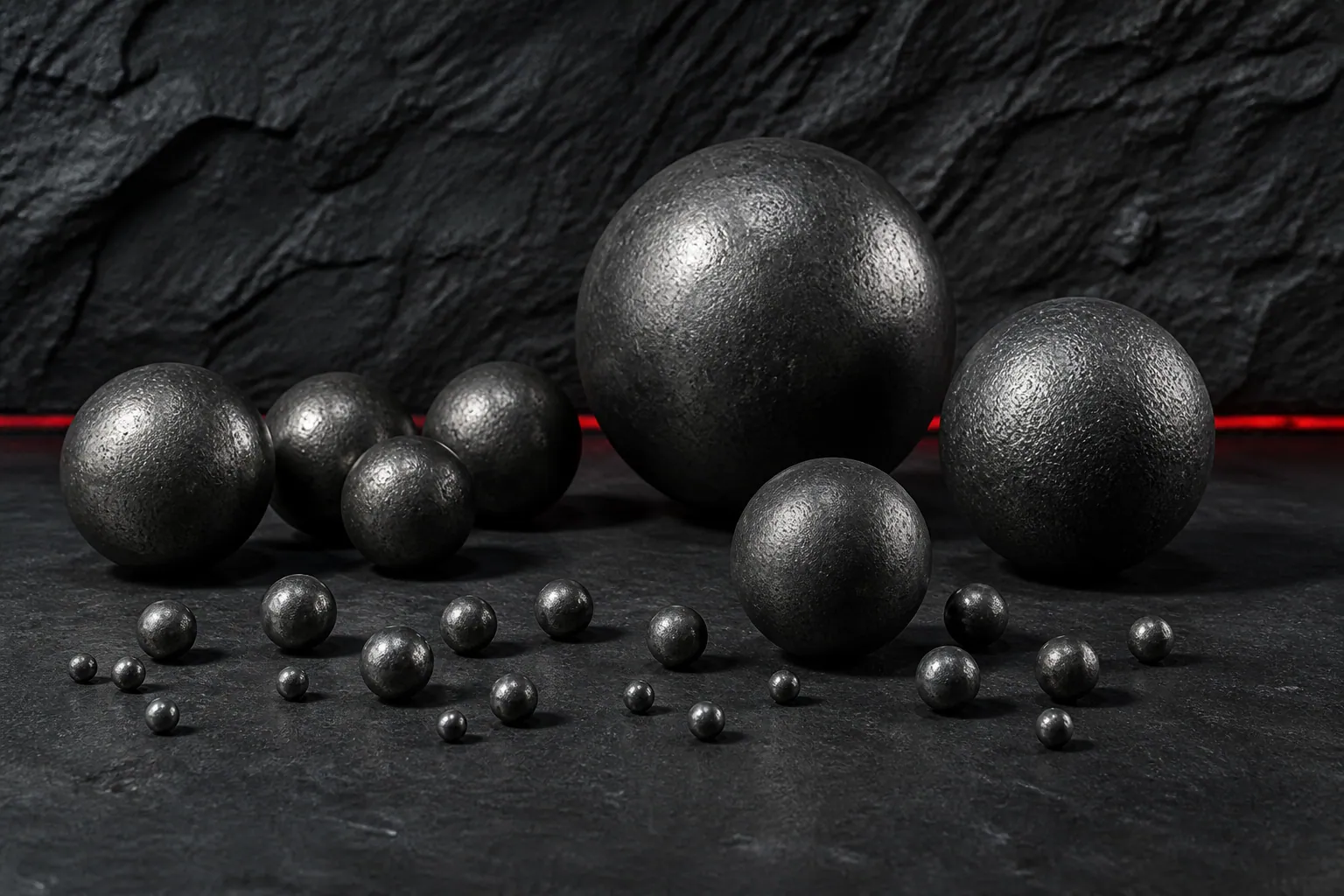 Illustrative image · AI
Respuesta directa
Maximum impact resistance

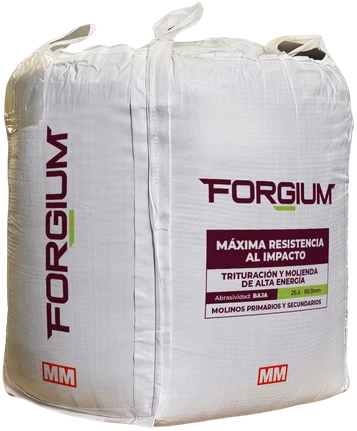
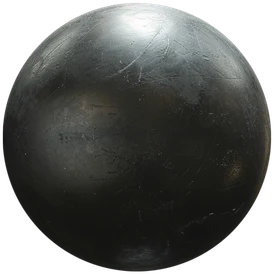
Developed for high-energy grinding in primary and secondary mills. Its forged steel combines high hardness, toughness and structural integrity to withstand dynamic loads and high-impact conditions.
| C | Si | Mn | Cr | Mo | S | P |
|---|---|---|---|---|---|---|
| 0.70 - 0.85 | 0.15 - 0.37 | 0.70 - 1.0 | 0.40 - 1.0 | < 0.002 | ≤ 0.035 | ≤ 0.035 |
25.4 mm to 88.9 mm
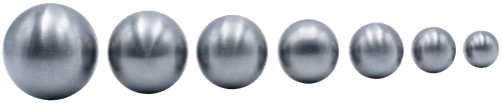
Availability subject to operating specification
| Mill type | Ball mill |
|---|---|
| Process stage | Primary and secondary grinding |
| Ore type | Low to medium abrasiveness |
| Application/Use | High impact energy |
| Polymetallic ores | Ag - Pb - Zn |
|---|---|
| Sulphide ores | Copper and gold |
| Gangue/Matrix | Low to moderate silica |
| Abrasiveness | Low to medium |
Indicative reference. Final selection must be validated against mineralogy and circuit conditions.
Selection criteria
Identify stage, mill, operating window, and objective.
Review hardness, abrasiveness, impact, and relevant variability.
Agree on baseline, dosage, duration, and success criteria.
Measure consumption, performance, stability, and total cost.
Related evaluation path
Related process
Selection, application, and performance guidance connecting the circuit with the appropriate media family.
Review the processTechnical knowledge
Practical comparison of manufacturing routes and selection criteria, subject to actual circuit conditions and engineering validation.
Read the decision guidePIC
Share the process, symptom, period, and available baseline so the challenge can be routed without presuming a product fit.
Bring a challenge